Understanding the psychology behind why we gamble
Understanding the psychology behind why we gamble
The Thrill of Uncertainty
The allure of gambling often stems from the thrill of uncertainty. The unpredictable nature of games can evoke powerful emotions, including excitement and anticipation. Players are drawn to the rush of not knowing whether they will win or lose. This unpredictability can lead to a release of dopamine, the feel-good hormone, which creates a sense of pleasure associated with the act of gambling. It’s for this reason that many individuals enjoy the wide array of offerings at Crown Green Casino, which provides an engaging atmosphere that keeps them coming back for more.
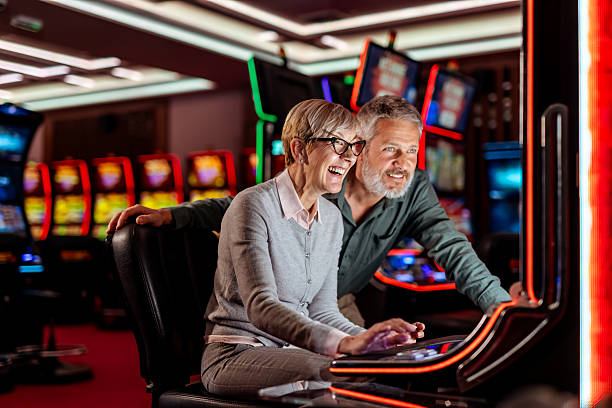
Moreover, the concept of ‘near misses’—where players come close to winning but ultimately do not—can enhance the thrill. These experiences can reinforce gambling behavior as individuals often believe they are just one bet away from a big win. This phenomenon can create a false sense of hope, compelling players to keep trying in pursuit of that elusive jackpot. It’s a psychological mechanism that can blur the lines between chance and skill, making the gambling experience even more engaging.
Additionally, cultural influences play a significant role in shaping our perceptions of gambling. In many societies, gambling is often associated with luck and fortune, further enhancing its appeal. This cultural backdrop can contribute to individuals feeling that engaging in gambling activities is not just acceptable, but an exciting form of entertainment. The narratives surrounding gambling can thus create a communal sense of thrill, reinforcing the desire to participate in these activities.
The Role of Social Interaction
Social interaction is another key factor that contributes to the psychology of gambling. Casinos and online platforms often facilitate a sense of community among players. Engaging with others who share similar interests can amplify the enjoyment of the gambling experience. Whether it’s cheering for a favorite team in sports betting or sharing tips on poker strategies, these interactions create bonds that enhance the overall experience.
Moreover, the competitive nature of gambling can lead individuals to seek social validation. Many players enjoy discussing their wins and strategies, creating a dialogue that elevates their status within their social circles. This need for recognition can serve as a motivating factor, encouraging individuals to gamble more frequently. The social aspect of gambling is deeply intertwined with self-esteem and belonging, making it a compelling draw for many.
Online gambling platforms have further transformed the social dynamic by enabling players to connect with others globally. With live dealers and interactive chat features, the experience mimics that of a physical casino while allowing for a broader network. This virtual social engagement can make gambling feel less isolated and more communal, appealing to those who thrive in social settings and enjoy shared experiences.
Escapism and Stress Relief
Many individuals turn to gambling as a form of escapism. Life’s pressures and stresses can become overwhelming, prompting individuals to seek refuge in activities that distract from reality. Gambling can provide a temporary escape from everyday problems, offering a chance to immerse oneself in a world of possibility and excitement. The excitement of placing a bet can momentarily overshadow financial worries or personal issues.
This form of escapism often becomes a coping mechanism for individuals facing challenging situations. Whether due to work stress, relationship issues, or financial challenges, gambling can temporarily alleviate feelings of anxiety. However, it’s essential to understand that while it may provide short-term relief, this strategy can lead to long-term problems, including gambling addiction. Recognizing the distinction between healthy escapism and harmful habits is crucial for responsible gaming.
Furthermore, the marketing strategies employed by gambling establishments often tap into this desire for escapism. Promotions and advertising frequently highlight the glamour and excitement associated with winning, enticing individuals to escape from their routine lives. By presenting gambling as a thrilling adventure, these messages appeal to those seeking a break, further embedding gambling into the fabric of leisure activities.
The Illusion of Control
The psychological phenomenon known as the ‘illusion of control’ significantly impacts gambling behavior. Many players believe they have some degree of influence over the outcome, despite the inherent randomness of most gambling games. This belief can be particularly strong in games that involve skill, such as poker. The idea that a player can outsmart the system adds an element of excitement, making them more likely to engage in gambling.
Furthermore, this illusion can perpetuate gambling habits, as players often attribute their wins to skill rather than chance. For example, a poker player who wins a hand may believe their strategy led to victory, reinforcing their confidence and prompting them to continue gambling. This perception can create a cycle where players feel empowered and justified in their betting behaviors, even in the face of losses.
However, the reality is that chance plays a significant role in gambling outcomes. Recognizing this distinction is crucial for responsible gaming practices. Understanding that outcomes are ultimately based on luck rather than personal skill can help mitigate the risks associated with gambling, encouraging individuals to approach it as a form of entertainment rather than a surefire way to achieve financial gains.
Responsible Gaming Practices
Responsible gaming is essential for maintaining a healthy relationship with gambling. Establishing clear limits on time and money spent can help prevent problematic behavior. Players should be encouraged to set a budget before they start gambling and stick to it. This practice helps ensure that the act of gambling remains enjoyable and does not escalate into harmful patterns that could impact their lives.
Moreover, promoting awareness of the signs of gambling addiction is vital for fostering responsible gaming. Understanding the psychological and emotional cues that signal problematic gambling can empower players to seek help when needed. Gambling establishments often provide resources and support options, such as self-exclusion programs and counseling services, to assist those struggling with their gambling habits.
At the heart of responsible gaming is the understanding that gambling should be viewed primarily as a form of entertainment rather than a source of income. Encouraging players to enjoy the experience without expectation is crucial in promoting healthy habits. By fostering an environment that prioritizes responsible gaming, both players and operators can contribute to a more sustainable gambling culture.

Crown Green Casino: A Safe Gaming Experience
Crown Green Casino is committed to providing an exciting yet responsible gaming experience for its players. With an extensive selection of over 3,000 games, including live dealers and classic table games, players can enjoy diverse entertainment options tailored to their preferences. The platform emphasizes safe gaming practices, ensuring players have the resources they need to gamble responsibly.
Additionally, Crown Green Casino offers a generous welcome package, including bonuses and free spins to enhance the gaming experience. This ensures that new players feel valued and excited as they explore the casino. The site also promotes transparency and security, with fast withdrawal options and reliable customer support available around the clock.
By combining thrilling gameplay with a strong commitment to responsible gaming, Crown Green Casino seeks to provide a balanced and enjoyable environment for both casual gamers and high rollers. The casino’s focus on player well-being makes it a trustworthy choice for those looking to indulge in online gaming while prioritizing responsible practices.